
Learning how to be vegan starts with making the connection between the foods we eat and the animals behind them. This guide breaks it down into seven simple steps on transitioning to vegan living in a practical, realistic way.
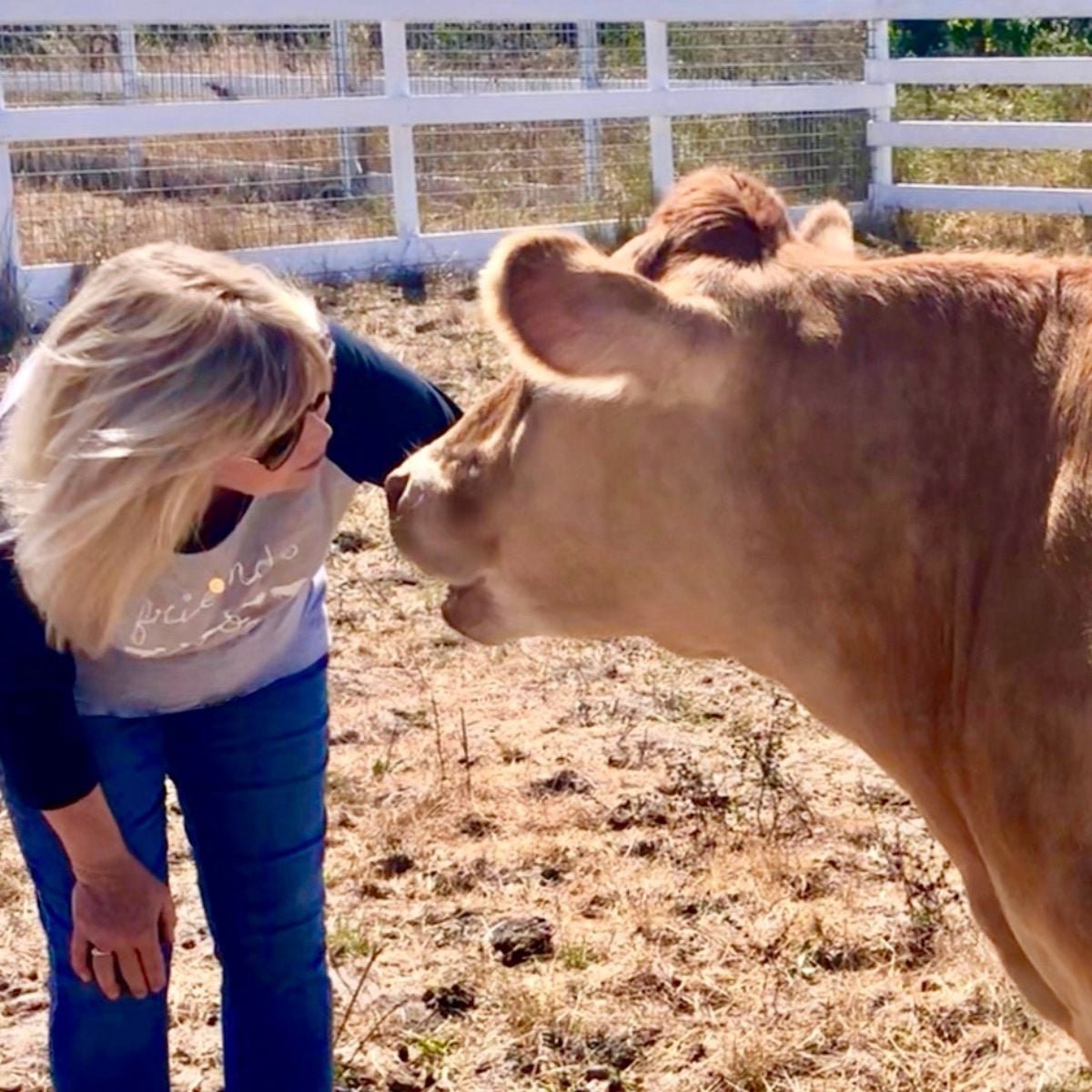
Let me guess - you care about animals, but the idea of going vegan feels daunting. A turkey-less Thanksgiving? What, no bacon? Life without cheese pizza? When so many favorite foods and traditions revolve around animal products, it can be hard to imagine what vegan living would even look like.
I get it. I was raised on meat, dairy, and eggs too. Every meal centered around meat, milk was a given, and no one questioned it - until one day I did. That single moment changed how I thought about food, animals, and my choices, and it set everything else in motion.
Thinking about going vegan? Start here.
Believe it or not, being vegan is easier than you might think! When you replace animal-derived ingredients with plant-based foods, you're making a choice that will benefit you, the planet, and animals. It's a win-win-win!

When I began my journey to vegan living almost 50 years ago, it seemed difficult and restrictive - but the more I learned, the easier it was for me to kick the meat and dairy habit.
Today, with so many fantastic plant-based food options in restaurants and markets, and cruelty-free products available on store shelves, there's never been a better time to be vegan. You can do this!
Disclaimer: This article is for informational purposes only. Always consult with your doctor or a qualified healthcare professional before making significant changes to your diet or lifestyle.
7 Simple Steps to Being Vegan
1. Understand what veganism is about
Let's start by clearing up a common confusion - Plant-based vs Vegan
You might hear these two terms used interchangeably. While there is some overlap in the definition - they really don't mean the same thing.
The term plant-based refers to diets or foods that consist entirely or mostly of plants. Vegan is not simply a diet, it's a lifestyle. The easiest way to look at it is - All vegans eat a plant-based diet.
"Veganism is a philosophy and way of living which seeks to exclude-as far as is possible and practicable-all forms of exploitation of, and cruelty to, animals for food, clothing or any other purpose; and by extension, promotes the development and use of animal-free alternatives for the benefit of animals, humans and the environment. In dietary terms it denotes the practice of dispensing with all products derived wholly or partly from animals." The Vegan Society - Definition - What is Veganism?
Vegans avoid harming animals with the foods we choose to eat, the products we use, and the forms of entertainment we enjoy. Learning the truth about the reality of animal agriculture, laboratory animal testing, hunting and fishing, as well as animals used in entertainment and sports, is one of the most powerful ways to raise awareness and compassion for our fellow beings.
This article offers helpful insight and advice on being an effective vegan.
2. Don't try to change everything overnight
While some people go "cold turkey" (sorry - I know - bad pun), most people don't go vegan in a day. Start where you are, make a few intentional changes, and let those choices build on each other as your confidence and commitment grows.
It's ok to take baby steps into veganism, and don't let anyone shame you for not making it happen faster.
3. Start with foods you already love
Instead of focusing on what you're giving up, look for plant-based versions of meals you already enjoy. Familiar flavors and comfort foods make the shift feel natural rather than restrictive. Think basics like vegan mac & cheese, tofu scramble, or tamale pie.
4. Replace cravings, don't ignore them
Cravings are usually about texture, richness, or nostalgia - not meat or dairy themselves. Creamy sauces, hearty bean dishes, mushrooms, tofu, and modern plant-based alternatives can fill that gap surprisingly well.
5. Focus on progress, not perfection
Be kind to yourself and don't beat yourself up if you accidentally or intentionally eat something with animal-derived ingredients. What matters is continuing to move toward a fully vegan lifestyle, even if it happens gradually.
6. Learn how to shop vegan with confidence

Knowing how to shop confidently is another important step. Learning which pantry staples to keep on hand and how to identify vegan foods makes everyday choices easier, which is why I created my vegan grocery shopping list as a practical starting point.
7. Use reliable recipes and resources
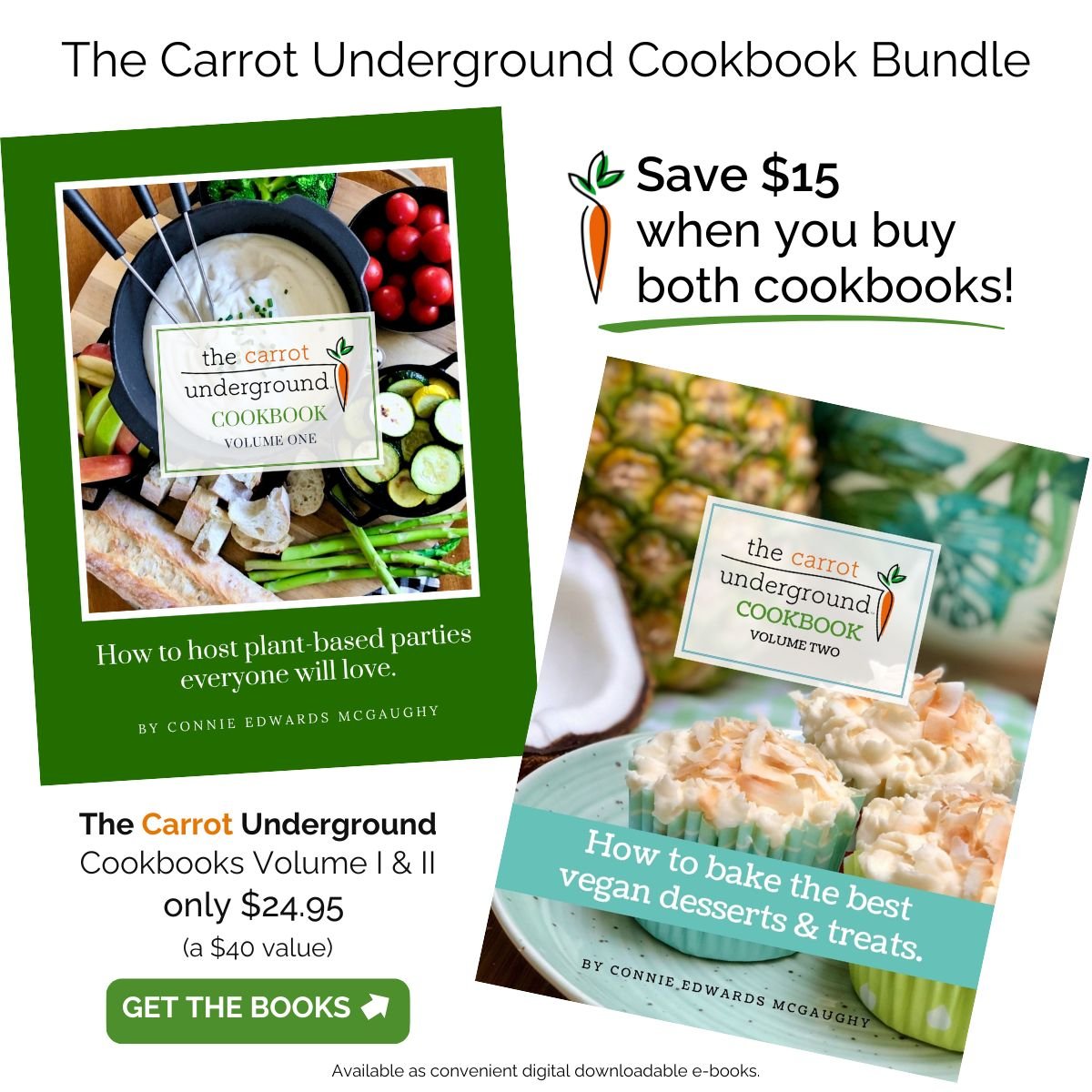
Good recipes matter - especially when you're learning. Trusted cookbooks and well-tested recipes created by humans (not AI) help ensure your meals are satisfying, which makes vegan living far easier to maintain.
Take the Veganuary Pledge
Veganuary is a global movement that kicks off every New Year by encouraging people to make a 31-day pledge to avoid using animal products. You don't have to wait until January to join - you can do this anytime! Here are a month's worth of my favorite vegan recipes for you to enjoy!

More vegan resources
Recommended films and books on veganism and animal rights
Whether you're new to vegan living, on the fence, or simply curious, you might consider watching and reading some of these informative and compelling documentaries and books that cover a spectrum of related topics.
Reader Note: Some of the documentaries and books shared here explore the realities of animal agriculture and animal suffering and may contain graphic or violent imagery. The subject matter may be emotionally difficult and not suitable for children. Parents and caregivers are encouraged to preview content in advance and use their own discretion.
🎬 Documentaries
Ethics & Animal Rights
These films focus on the lived experiences of animals and the ethical questions surrounding animal use.
- Earthlings - A powerful, uncompromising look at how animals are used for food, clothing, research, and entertainment.
https://www.earthlings.com - Dominion - A modern, in-depth examination of animal agriculture using undercover footage and expert commentary.
https://www.dominionmovement.com - Speciesism: The Movie - Explores the concept of speciesism and why many view it as a moral issue.
https://speciesismthemovie.com
Environment & Sustainability
Films that highlight the environmental impact of animal agriculture.
- Cowspiracy: The Sustainability Secret - Examines the environmental cost of animal farming and its role in climate change.
- Eating Our Way to Extinction - Connects food choices to biodiversity loss, deforestation, and global ecosystems.
Health & Performance
Films focused on nutrition, wellness, and physical performance.
- Forks Over Knives - Looks at the role of whole-food, plant-based eating in preventing chronic disease.
- What the Health - Explores diet-related health issues and food industry influence.
- The Game Changers - Challenges the idea that animal protein is necessary for strength and athletic performance.
📚 Books
Foundational Animal Rights & Ethics
These books help explain why veganism matters.
- Animal Liberation by Peter Singer
- This Is Vegan Propaganda by Ed Winters
Transitioning to vegan living is not about being perfect - it's about being intentional. Every step you take toward reducing harm to animals matters, even if the journey isn't linear.
Many people find that what starts as a short-term challenge or experiment gradually becomes a way of living that feels aligned, rewarding, and sustainable. Take your time, stay curious, and trust that ease comes with practice.
Veganism FAQ's
Should I talk to my doctor before becoming vegan?
Yes. Before making any significant changes to your diet, it's always a good idea to consult with a qualified healthcare professional, especially if you have existing health conditions, food allergies, nutritional concerns, or take prescription medications. A physician or registered dietitian can help ensure your nutritional needs are being met and provide guidance tailored to your individual circumstances.
It's also important to remember that transitioning to a vegan lifestyle doesn't have to happen overnight. In fact, many people find that making gradual changes is easier and more sustainable. That was certainly true for me. When I first began my journey nearly five decades ago, I didn't become vegan all at once. I took it one step at a time, learning along the way and making changes as I became more informed.
Whether you choose to transition gradually or more quickly, thoughtful planning and professional guidance can help set you up for long-term success.
What if I still crave meat or dairy?
Cravings are common, especially at the beginning. Focus on satisfying plant-based replacements that deliver the flavors and textures you enjoy.
Is vegan food filling enough?
How do I know what foods are vegan at the grocery store?
Learning to read labels helps, but having a clear vegan grocery shopping list makes it much easier - especially in the beginning.
Is vegan living expensive or complicated?
It doesn't have to be. Many vegan staples are affordable and simple, especially when meals are planned around familiar foods and basic ingredients.



Comments
No Comments